


Physiotherapy plays an important role in helping people manage pain, recover from injuries and improve physical movement.
Although many people associate physiotherapy with sports injuries, physiotherapists work with individuals of different ages and activity levels.
Understanding when to seek professional advice can help you address movement problems before they become more disruptive.
What Does a Physiotherapist Do? 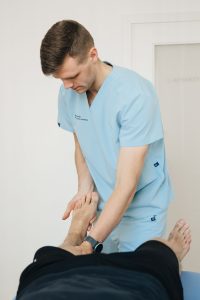
A physiotherapist assesses movement, physical function and conditions affecting muscles, joints, nerves and other body systems.
Depending on your needs, treatment may include:
- Individualised exercise programmes.
- Strength and mobility training.
- Movement and activity advice.
- Rehabilitation after injury or surgery.
- Education about pain management.
- Strategies for returning to work, sport or everyday activities.
Persistent Muscle or Joint Pain
Occasional aches after unfamiliar physical activity are common.
However, pain that continues, worsens or interferes with everyday activities may benefit from professional assessment.
A physiotherapist can evaluate how you move and help develop an appropriate management plan.
Difficulty Moving Comfortably
Stiffness, reduced joint movement or difficulty completing normal tasks can affect quality of life.
Physiotherapy may help identify contributing factors and improve strength, mobility and confidence.
Recovering From a Sports Injury
Sports injuries can affect muscles, tendons, ligaments and joints.
Returning to exercise too quickly may increase the risk of further problems.
A physiotherapist can guide rehabilitation and help determine when you’re ready to resume particular activities.
Recovering After Surgery
Some surgical procedures require structured rehabilitation to restore movement and physical function.
Physiotherapists may work alongside surgeons and other healthcare professionals to support recovery.
Always follow the specific precautions provided by your surgical team.
Recurrent Injuries
Repeated strains, sprains or episodes of pain may indicate a need to review training loads, strength, movement patterns or other contributing factors. 
An individual assessment can help identify practical steps to reduce future problems.
When Is Urgent Medical Attention Needed?
Some symptoms require urgent medical assessment rather than a routine physiotherapy appointment.
Seek emergency medical help for symptoms such as sudden severe weakness, new loss of bladder or bowel control with back pain, or significant injury with suspected fracture.
In Ireland, call 112 or 999 for a medical emergency.
Final Thoughts
Physiotherapy isn’t just for professional athletes or people recovering from major injuries.
It can support anyone experiencing movement difficulties, physical limitations or certain types of persistent pain.
Seeking appropriate professional advice can help you make informed decisions about your recovery and long-term physical health.