


Protein is one of the most discussed nutrients in fitness, particularly among people interested in building muscle, improving performance or recovering after exercise.
But how much protein do you actually need, and do you need supplements to get enough?
Understanding the basics can help you make informed nutrition choices.
 Why Is Protein Important?
Protein provides amino acids that the body uses to build and repair tissues.
It plays an important role in maintaining muscle, supporting recovery and producing enzymes and other essential substances.
Adequate protein intake is especially relevant for people participating in regular resistance training.
How Much Protein Do Adults Need?
For generally healthy adults, a commonly used baseline recommendation is approximately 0.8 grams of protein per kilogram of body weight per day.
People undertaking regular strength or endurance training may benefit from higher intakes, often around 1.2–2.0 grams per kilogram per day, depending on training demands and individual goals.
For example, someone weighing 70 kilograms who trains regularly might aim for approximately 84–140 grams per day within that sports nutrition range.
These are general estimates rather than personalised prescriptions. People with certain medical conditions, including kidney disease, may require individual dietary advice.
Good Sources of Protein
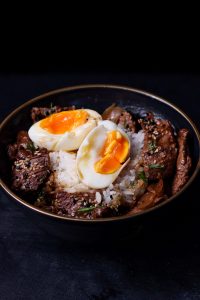
Protein can come from both animal and plant foods.
Examples include:
- Eggs.
- Chicken and turkey.
- Fish.
- Milk, yoghurt and cheese.
- Beans and lentils.
- Tofu and tempeh.
- Nuts and seeds.
Eating a variety of protein sources can also provide other important nutrients.
Does Protein Timing Matter?
Consuming protein after exercise can support muscle recovery and adaptation.
However, your overall daily protein intake is generally more important than consuming a shake immediately after finishing a workout.
Spreading protein across regular meals can be a practical approach.
 Do You Need Protein Supplements?
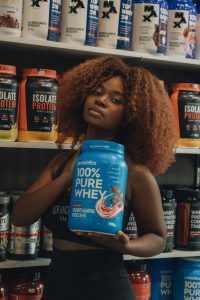
Protein powders can be convenient, particularly for people who struggle to meet their requirements through food alone.
However, they are not essential for building muscle or improving fitness.
Many people can obtain sufficient protein through a balanced diet.
Can You Eat Too Much Protein?
Consuming more protein than your body needs does not automatically lead to greater muscle growth.
Extremely high intakes may also displace other important foods and nutrients.
The goal should be adequate intake alongside balanced nutrition and appropriate training.
Final Thoughts
Protein is important for exercise recovery and maintaining muscle, but it is only one part of good nutrition.
Focus on meeting your individual needs through varied food choices, consistent training and adequate recovery.
